
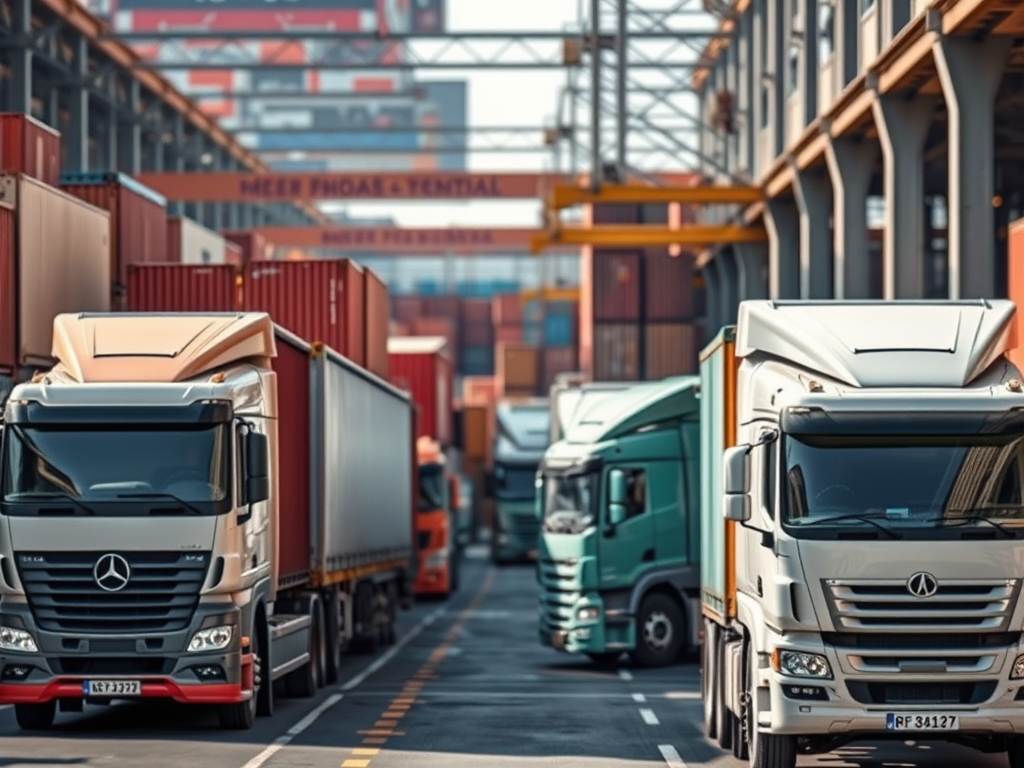
Understanding Logistics in Nigeria
Logistics plays a crucial role in the economic landscape of Nigeria, a nation rich in resources and potential. The logistical framework involves the planning, implementation, and control of the movement of goods and services across the country, which is vital for both domestic and international trade.
Key Components of Logistics in Nigeria
- Infrastructure: Nigeria’s logistics sector is heavily reliant on its infrastructure, including roads, railways, and ports. Despite significant investments, issues such as poor road conditions and inadequate rail networks often hinder transportation efficiency. The ports, particularly in Lagos, are critical for import and export activities but face congestion challenges.
- Technology: The adoption of technology in logistics is gradually improving operations in Nigeria. Innovations such as GPS tracking, warehouse management systems, and e-commerce platforms are helping streamline processes, reduce costs, and enhance service delivery.
- Challenges: The logistics industry in Nigeria faces several obstacles, including regulatory bottlenecks, security concerns, and fluctuating fuel prices. These issues can lead to delays and increased costs, affecting the overall supply chain.
- Opportunities: Despite the challenges, there are numerous opportunities for growth in Nigeria’s logistics sector. The increase in e-commerce is creating a demand for effective last-mile delivery services. Additionally, the government’s focus on improving infrastructure can further bolster the logistics framework.
Conclusion
The logistics sector in Nigeria is evolving, with a mix of challenges and opportunities. As the country continues to develop its infrastructure and embrace technological advancements, there is potential for significant improvements in efficiency and service quality, ultimately driving economic growth.
 Ginza Ventures Nigeria Ltd